I was asked to write a piece for the Morning Star Well Versed site by Jody Porter.
It is on the site today. Click here to read.
Have a look and share the unusual, the unsaid, and the unpopular with your networks.
I was asked to write a piece for the Morning Star Well Versed site by Jody Porter.
It is on the site today. Click here to read.
Have a look and share the unusual, the unsaid, and the unpopular with your networks.
I knew from the beginning I would be including Kei Millar at some point, and given that he has now won the Forward Prize for best collection, what better time. The poem I have chosen takes an object as its focus, in this case zinc roofing (aka corrugated iron) and describes its role in the lives of poor of Kingston, Jamaica and beyond (it made me think of the importance of objects as symbols and metaphors of how people live). And in the poem he references Dawn’s Scott A Cultural Object and I urge you to look at it, as it helps visualise the images Kei Miller makes in his poem, This Zinc Roof.
Kei’s latest collection is The Cartographer Tries to Map a Way to Zion published by Carcanet.
I wonder what other objects you can think of that symbolise the lives of the working class (ones that move beyond clichés) and where have they appeared in poems?
Karen McCarthy Woolf‘s Hoxton Stories are vernacular poems of her grandfather’s experience growing up in the area. Here is featured, Guy Fawkes Night, taken from Modern Poetry in Translation Dialect of the Tribe. I have written poems taken from my Father’s verbatim experience of living within the pages of Angela’s Ashes, (for him it was Glasgow) but never thought of it as translation. But thinking about it, that is what it is; maybe not in the literal sense of how we understand translation as a foreign language, but in the vernacular sense. Translation is more than understanding or comprehending, it is about empathizing with, not only people’s experience but their culture. This is summed up in the final beautiful and direct words of her grandfather, ‘So what d’ya reckon about that one then?’ Well, what d’ya reckon?
Karen has recently published “An Aviary of Small Birds.”
Twitter: @KMcCarthyWoolf
I went to the Forward Poetry Awards last night and introduced myself to Jo Bell, who not only said ‘hi’ and ‘nice to meet you’, but ‘join us, and let’s talk about Proletarian Poetry’.
Jo Bell
It turns out Jo had already noticed PP and put up a question on her Facebook page asking for suggestions of poets whose poems might be included on this page. Setting aside what appears to be some ‘heated’ discussion about what ‘working class’ is, which I have decided purposely not to define as I am going to let the poems speak to that, many were suggested. Those I haven’t got already include, Sean O’Brien, Kate Fox, Robin Robinson, Benjamin Zephaniah, Neil Rollinson, Nick Laird, Ian Duhig, Patrick Kavanagh, Philip Levine, Fred Voss, Raymond Carver, Tom Leonard, Eddie Gibbons, William Letford . . . “Gary Snyder wrote a lot about physical work, and Scottish poets like Edwin Muir and WS Graham, Joe Corrie, Seamus Heaney”, “Ellen Johnston (b.1830s) the ‘factory poet’ and Ann Yearsley, a milkmaid (women, interestingly!)”, Angela Readman (“Andy Willoughby, Ian Horn, and Kevin Cadwallender). But it doesn’t end there,
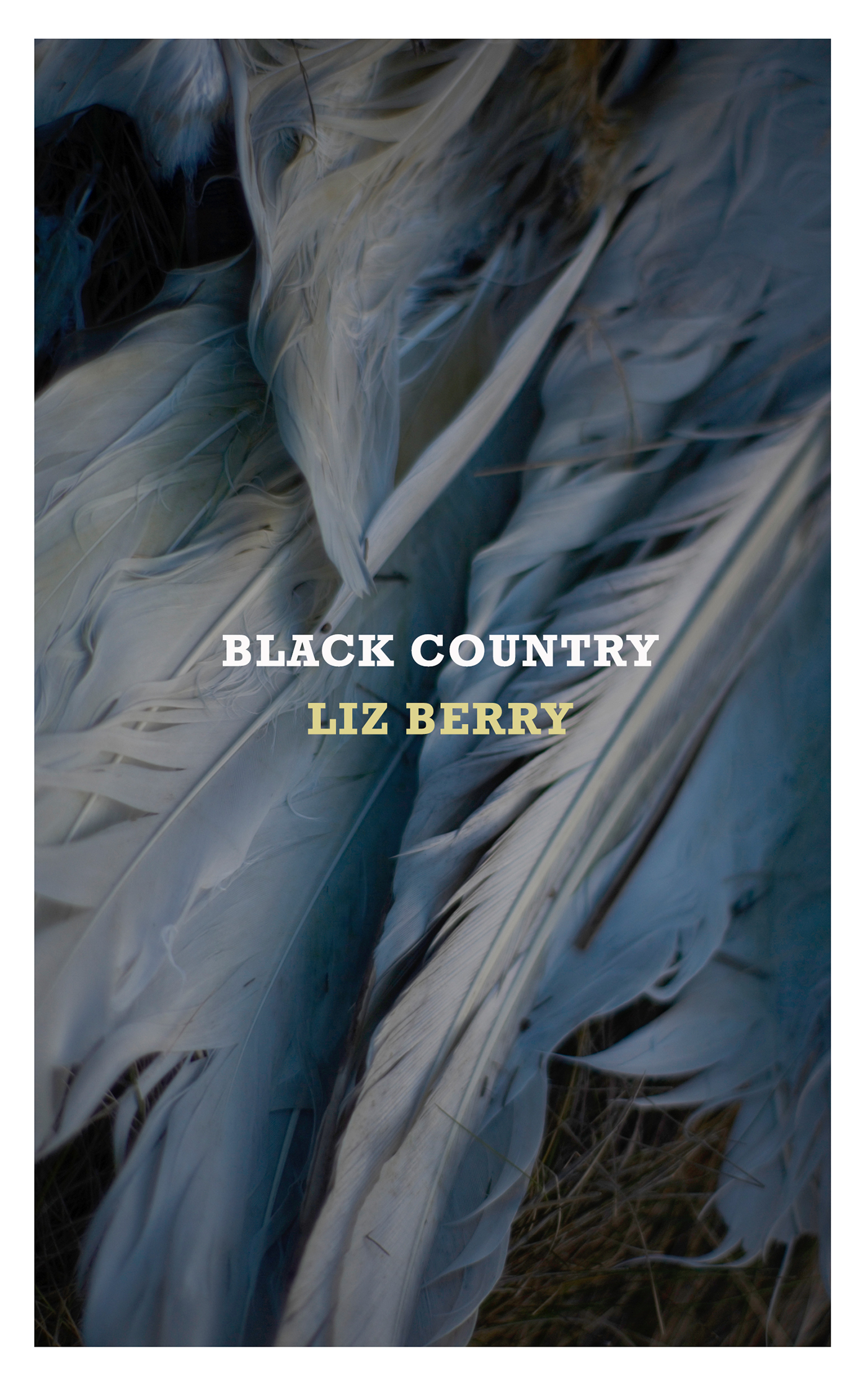
The Black Country by Liz Berry is a wonderful contemporary example of vernacular poetry. It goes beyond mere dialect to use the words as a way of conveying meaning and music. Elsewhere, the novels of the likes of James Kelman or Roddy Doyle use dialect to great effect in conveying working class life in Glasgow and Dublin. And Liz Berry does this in her poems about the Black Country and surrounds. To help us along, she even features translated words at the end of each poem.
Twitter: @MissLizBerry
Best of luck to Liz tonight at Forward Prize for first collection.
“Rise up like Lions, because we [poets] are the many, and they are the few.” (sublimated quote by that Shelley fella)
National Poetry Day comes round but once a year and this year is no exception (although given the number of events being put on it could be considered NP Week).
The appeal of poetry seems to be growing and I am hoping to add to this with a blog of poems concerned with the working classes. I intend to include a wide range of poets who may not be considered ‘working class poets’ but have written poems that have added another dimension of understanding or thinking about the working class experience. My initial list (and remember it is not particularly about their class, it is about what they have written) includes the likes of Langston Hughes (see introduction), Liz Berry, Karen McCarthy Woolf, Percy Bysshe Shelley, Debris Stevenson, Malika Booker (without whom I wouldn’t have found poetry), Tony Walsh (Longfella), John Agard, Lemn Sissay, George the Poet, Anthony Anaxagorou, Tony Harrison, Simon Armitage, Jo Bell, Josephine Corcoran, Inua Ellams, Kate Tempest, Hollie McNiesh, Paul Summers, William Blake, Anna Robinson and many, many more. Please don’t feel offended if I’ve not included you yet; I really want this blog to be inclusive and draw from the growing population of poets across the world.
So as part of National Poetry day celebrations in 2014 you are welcome to this new addition to the family and hopefully will add to its gene pool. Please get in touch with suggestions of poems and poets to include on the site.