In these times, when poets have books published but can’t get out there to promote their work, I’ve invited a number of them to submit a poem and write a little a bit about it. I hope you enjoy these posts, and if you can possibly support the writer in question, by buying their book, it will be much appreciated.
 First up is my Malika’s Kitchen mucker Rishi Dastidar, who in his second collection ‘Saffron Jack’ (published by Nine Arches Press), gives us a quite unique character; one who decides he’s had enough of unaccountable power, so goes about setting up his own country. Here’s a bit about the book:
“At once an exploration of a man left hollow by fate, a dispatch from the frontline of identity politics, and a rumination on the legacy of migration and empires, Saffron Jack is the story of a man trying to find somewhere he might be himself. Using an innovative form, Rishi Dastidar’s long narrative poem boldly updates Kipling’s ‘The Man Who Would Be King’ to confront one of the most pressing issues our fractured world faces today – how can we live together in peace if we exile the most vulnerable in our societies and deny them a place to belong?”
So without further ado, here’s Rishi:

Image: Naomi Woddis
“I’m sure some of you know and have watched I’m Alright Jack, the 1958 Boulting Brothers film starring Peter Sellers as a shop steward at a missile factory, which became a byword for pointing out the various skullduggeries that went on in British business at the time. The title cemented in popular usage the phrase (derived from the old name for a sailor, Jack Tar), meaning roughly people who only act in their own best interests – even when helping others won’t cost them much, literally or figuratively.
I can’t say that the film, or the phrase directly inspired Saffron Jack, but the more I come to look at the book, there is a large part of it that reflects this ‘up yours!’, ‘sod you!’ type of attitude. Of course, my Jack is not alright – far from it – but I think there’s a commonality between Jack as a character, and the extreme individualism he displays. It’s a continuum of sorts, isn’t it: acting in what you perceive to be best for you, all the way to setting up your own country, because that’s the only way you can see to solve your problems. Look after yourself, leave the others behind.
I say this not to be hard on Jack, but perhaps to ask you to be kind to him when you ask: why is he so self-obsessed? Why doesn’t he ask for help? Why doesn’t he try and help others who might be feeling something similar? Empathy comes more easily to some monarchs than others.
There is a class angle somewhere in Jack too, of course. His is, let’s be blunt, a very middle class form of rebellion – the wherewithal to get to this war zone, the natural assumption that of course he should inherit his destiny as the prince he believes himself to be, the lifestyle that he thinks he should be living and isn’t… And of course his solution to the crisis he finds himself in? Become the ultimate aristocrat in his on personal Heimat.
So there’s a moral I should have Jack meditate on more: solidarity in a crisis matters even more than in ‘normal’ times, whatever they are.”
Thanks Rishi: You can purchase Saffron Jack from Nine Arches Press here.
Excerpt from Saffron Jack:
25. How much was this crown?
25.1. This proof and reproof of your status?
25.2. It is not a question you thought you might ask, when you were at school.
25.3. What happens when you need to buy a crown?
25.3.1 And you do not mean a tiara.
25.3.1.1. (You’re not on your hen night.
25.3.1.2. Much as you might wish you were…)
25.4. You mean a proper, fuck off I’m a king crown.
25.4.1. (John Lewis don’t stock them).
25.4.1.1. Not even Peter Jones.
25.4.1.2. The last piece of evidence the shops were founded by a Marxist.
25.4.1.3.‘My apologies, sir, we’ve never had a royal headwear department.’
26. Why go where every other monarch has gone before you?
27. Elizabeth Duke.
27.1. As your royal jewellers by warrant.
27.1.1. It wasn’t your first choice.
28. A crown helicoptered in specially.
28.1. Now the only thing you’ll be able to take with you.
28.2. The last relic of your reign.
28.3. The only relic of your reign.
28.4. Not many monarchies will leave a lighter footprint than yours.
29. You would love to stuff your pockets with jewels and dubloons, wine and old masters and furs and silks; whatever you are meant to do – to claim as yours – when the curtain is coming down. A hogshead or two. But no.
30. All you have left is a cheap shit, £9.99 crown from Argos.
30.1. And a little blue pen.
30.1.1. ‘Order No. SJ33, please come to the collection point.’

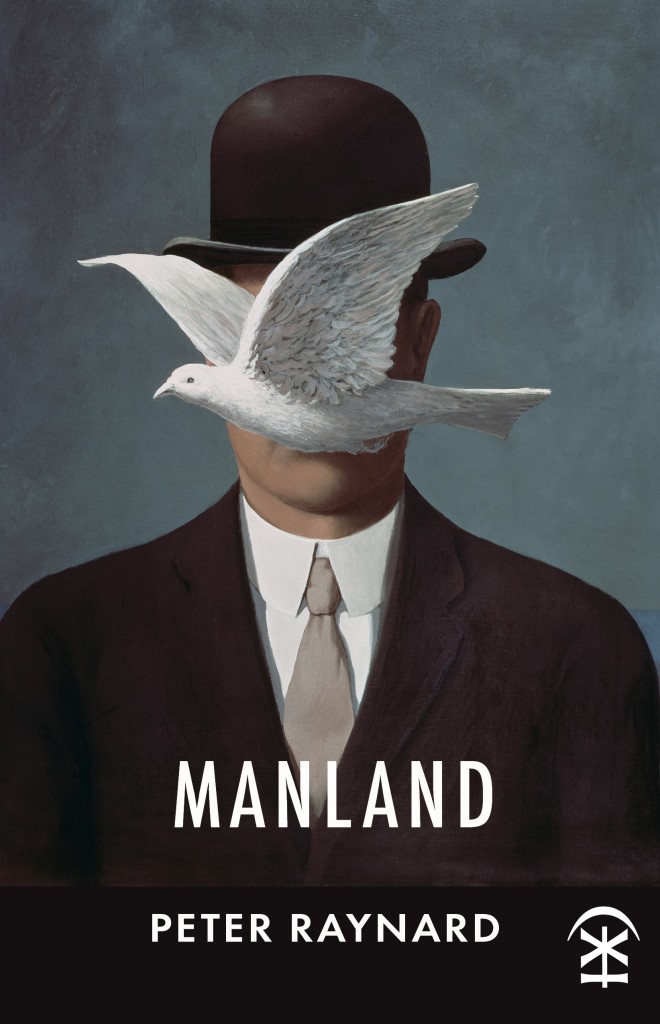

 And as I looked for ways to complete my father’s portrait, I noticed how proud I am of him, how his work ideals and diligence have come to define him. Coming from a more working class background and without a university education, he wanted a different future for me, a future alien to him and his class, where more doors would be open with the promise of a good education.
 Most teenagers have that moment, when the music is for only them; it reflects their mood in the face of world issues and adults who they feel don’t understand them. It can often be the first step to independence, which you and your friends own. I see this in Theresa Lola’s wonderful celebration of
 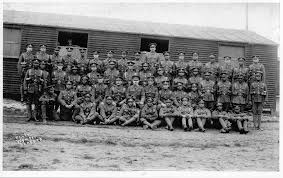 History is nothing without memory, memorials, and remembrances. And on such a day as this, the marking of the end of the First World War, there is a particular resonance to what it means today. As
  When a person walks out their door, whether going to the shop, to work, or for a night out, I imagine it is only the lucky ones, who are not conscious, or made conscious of, who they are. I imagine the stereotypical, white middle class male, irrespective of their political hue, on this journey imbibing the day without constraint; not physical, psychological, nor spiritual. They may believe they are completely unbiased in respect of how their position, influences their decisions, or perspective when dealing with other people. They may give to charity, volunteer, despise racism, sexism, and other forms of discrimination, whilst at the same time, feel totally at peace with the world – that for all its faults, see the world moving in the right direction. And on the whole, they are right – headline figures, which the late
  Ah, the poetry of football chants. Often it is football that defines what home is for the working classes. And in the League Two play-off finals, that sound rang around Wembley Stadium; forty thousand of us, compared to Exeter’s ten, when we got promoted to the heady heights of League One at the end of May.
 At the end of the Reading Festival when all of the punters have gone home, the site is a wreckage; a teenage detritus of (un)broken tents, sick-strewn sleeping bags, cans, cardboard, and many other unmentionables. What is left is gathered up by volunteers, some of it is donated to charities (one year, tents were given to refugees in Calais), the rest recycled and landfilled. I think of this as a metaphor for how capitalism leaves places when it’s done. A factory or a pit closes and all that is left is a rusting construction and a community having to rebuild itself from nothing. For it is not only the workers, but all those who relied on their income; suppliers, local shops, local clubs and pubs.
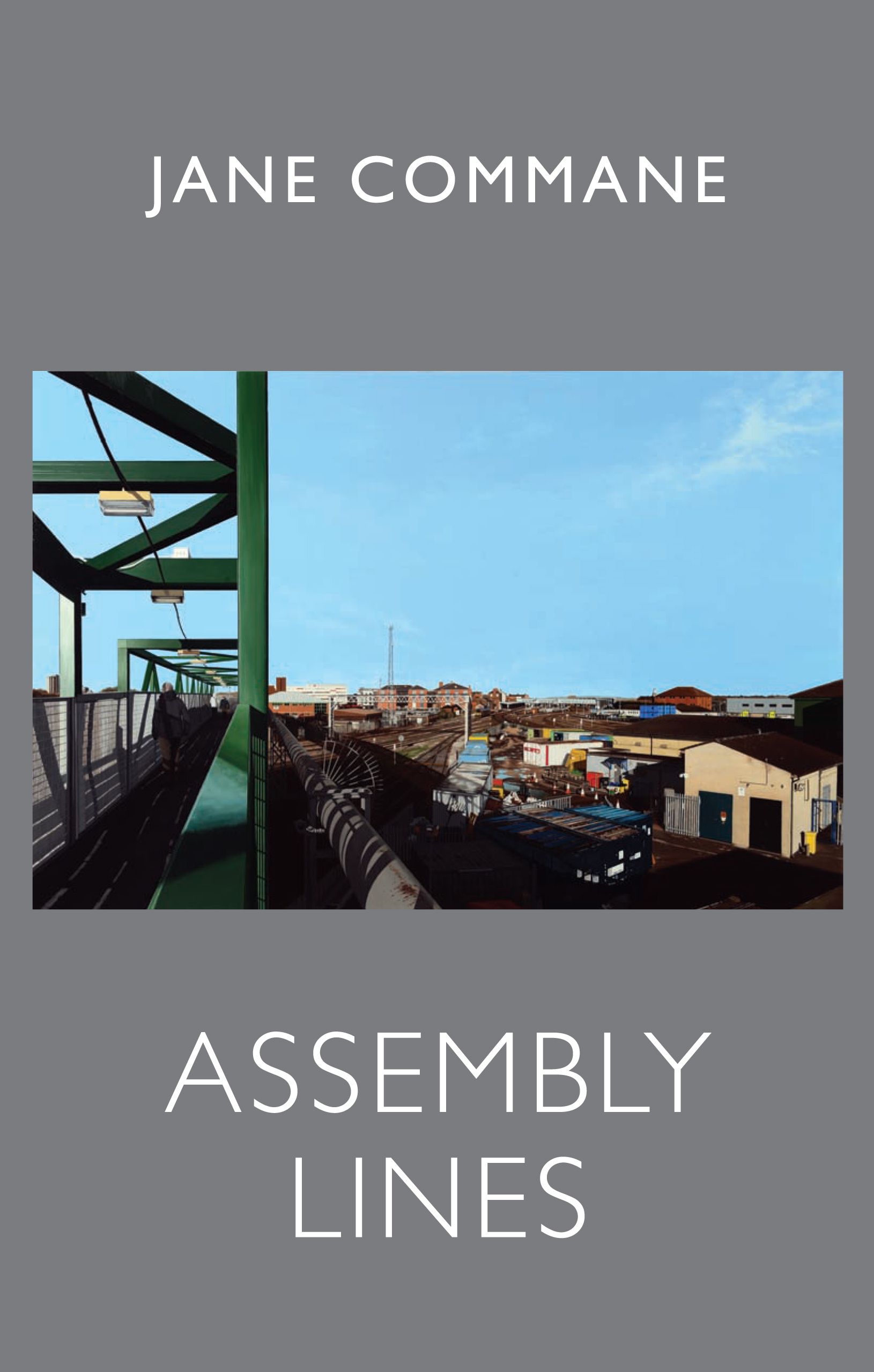 Jane Commane’s poem The Shop-floor Gospel, from her debut collection
  company’s responsibility goes well beyond its shareholders, its directors, even its employers. They should have responsibility for clearing up the mess they left behind, because just like the volunteers at the end of the Reading Festival, people aren’t paid to pick up their own pieces.
 The warming of the sea is a waking beast; and so, the main effects of climate change are being felt by small islands and those on the coast, particularly in developing countries. I am currently reading
  Proletarian Poetry