When I first moved to London in 1992, a friend said to me ‘get your name down on the council, else you’ll never be able to afford to live here’. I didn’t and he was right. After ten years, and with a partner and young child, we upped sticks and moved outside the M25, where we still couldn’t afford to buy anywhere but could just afford to rent a house. This is the hollowing out of London, leaving only those clinging to their council/social housing and the upper rich and their extorted money.
Whether you’re a bearded Marxist, or a bearded hipster, you would have to agree that it is much more expensive to live in London than it was thirty years ago. Extremes of wealth are seeping into every pore starting from the boil’s epicentre, The Square Mile, reverberating across the country from the 1980s’ deregulation earthquake.
 For those, like our poet today, Kathy Pimlott, who have lived in the centre of London in ‘protected’ housing (whether council or social housing) for many years, it has felt like only a matter of time until the long claws of late capitalism, tear into peoples’ homes for profit. In her poem, ‘They count on you getting tired, giving up’ she shows us how ‘Money wants no-one/ to belong here, just pass through, hold no memories /worth fighting for to temper plans to squeeze the streets’. Maggie Snatcher’s Housing Act in 1980, saw the stock of social housing in London fall from being the most popular form of habitat, to the lowest – now at only 20%. For Covent Garden in particular Kathy says: ‘The specifically galling thing about the monetisation of the picturesque and ‘villagey’ Covent Garden/Seven Dials is that the area would have been flattened and replaced with a raised central ‘island’ of hotels and offices surrounded by a three-lane ring road if the community hadn’t fought these plans for demolition and redevelopment in the 70s.’ And
  Kathy shows this ‘gentrification’ of both housing and business in a number of other poems in her wonderful new pamphlet, ‘Elastic Glue’ published by prodigious The Emma Press.
There are a number of crises facing Londoners today, most prominent recently being knife crime. But there are others, such as pollution, jobs, and our subject of today, housing. Too much I feel is expected of the likes of London’s Mayor Sadiq Kahn; who doesn’t have the powers that many people perceive him to possess. A (con)tradiction began when New Labour attempted to decentralise power with greater local council autonomy, the setting up of city mayors, then the Con/Dem pact’s Police and Crime Commissioners, because all were done without the economic coffers to endorse these new powers. It’s like giving a toilet cleaner the keys to the public bogs, but nothing to clean them with, or someone a pop-up tent with no land to pop it on. Time for them to do one.
Kathy Pimlott’s two pamphlets, ‘Elastic Glue’ (2019) and ‘Goose Fair Night’ (2016), were both published by The Emma Press. Born in Nottingham, in the shadow of Player’s cigarette factory, she has spent her adult life in Covent Garden. She has been, among other things, a social worker and community activist and currently works on community-led public realm projects. www.kathypimlott.co.uk @kathy_pimlott
They count on you getting tired, giving up
No-one lives here, you’d think, in the city’s glitzy heart
except the agile young wanting to shimmy and shine
before taking a van out to somewhere more… private.
Yet here we are, in infill blocks we made them build
all those years ago, knowing your mum, your kids
since before they had their own, so close we hear
each other’s sneezes, dying. Upstairs, temporary men
keep Spanish hours that clatter on their wooden floor,
my bedroom ceiling. They’ll go. I know who plays away,
who cooks mackerel, who’s been inside, uses Economy 7,
tunes in to Magic Radio. I know we’re on borrowed time.
Where are the old girls of the market, theatres, print?
Gone to Guinnesses in the sky. Money wants no-one
to belong here, just pass through, hold no memories
worth fighting for to temper plans to squeeze the streets,
trick them out in shoddy to look like style, smell like profit.
Silly us. All that time we thought it ours, rallied, witnessed,
held the line, all that grief, just making it nice for Money.
 The Sultan of Brunei, not known for being a man of contemporary enlightenment, has
 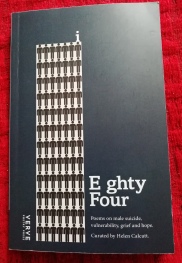 Last Wednesday, I hosted a very special event at Foyles’ Bookshop in London; the launch of the poetry anthology ‘
 Henry Foulk appears in records from the eighteenth century held in
  Most teenagers have that moment, when the music is for only them; it reflects their mood in the face of world issues and adults who they feel don’t understand them. It can often be the first step to independence, which you and your friends own. I see this in Theresa Lola’s wonderful celebration of
 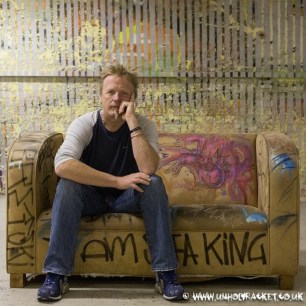 On January 8th this year, a friend of mine was kidnapped by a Mexican drugs cartel.
  I don’t know my paternal great grandfather’s ethnicity, but the trail of his history has all the hallmarks of him being Jewish. Across the turn of the 19th to 20th centuries, he traded leather and shoes from Russia to England. Between the assassination of
  In novels and films, plays even, there are state-of-the-nation portrayals aplenty; from Dickens to
 There are so many deaths in Syria that the United Nations stopped counting in 2014 because it could no longer rely on its own data. According to the pro-opposition
  ‘
‘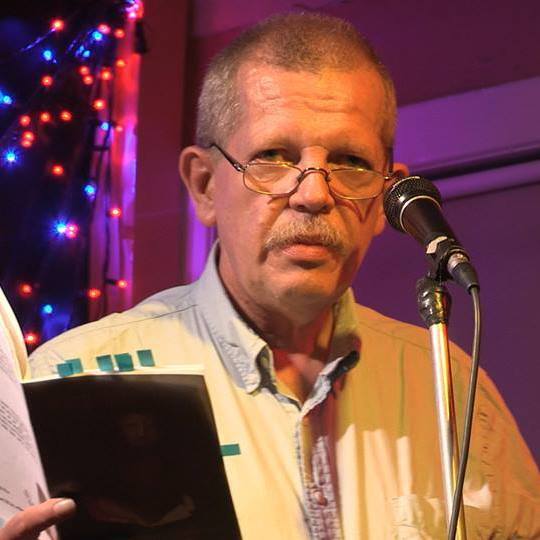 Reuben Woolley has been published in quite a few magazines such as Tears in theFence, Lighthouse, The Interpreter’s House, the anthology: TheDizziness of Freedom, Ink Sweat & Tears, Proletarian Poetry, And Other Poems and The Poet’s Shed. He has five books to his name, the latest being ‘
 Proletarian Poetry